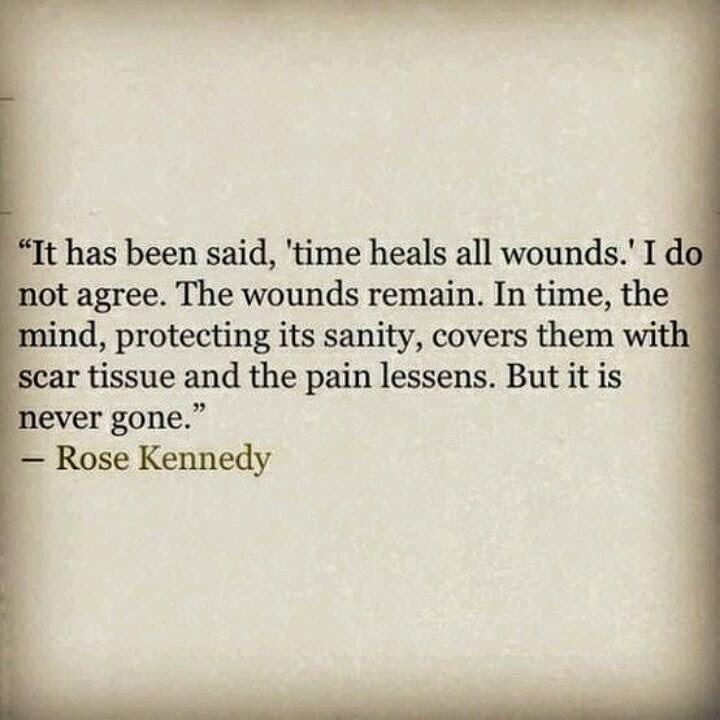
Today was the first time in years I've wept over missing my father. Most days I manage fine, but some days, it's genuinely difficult. I resent the feeling that three years on I'm still unsure if my responses to certain situations are "normal" grief or something else. Perhaps I'm the only one experiencing this. Perhaps I overthink my emotions due to my psychology background. But what if I'm not alone? What if others share the same worry? Losing a parent SUCKS! I haven't always managed my grief in the most constructive ways. Perhaps others have experienced similar circumstances or emotions. I chose to discuss the ways my father's passing has affected me negatively:

- Everything He Will Miss: This is likely the most evident. There's weddings, graduations, grandchildren being born, relocations, advancements, and so forth. The catalogue is virtually endless. The first number I rang when I resolved to relocate to Australia was my father's former mobile number. Just before pressing dial I realised that if someone answered, it wouldn't be him. This is occasionally the most challenging thing to come to terms with. How can it be that someone I'd never spent a moment of my life without would miss so much? Significant occasions, including festive periods, remain challenging. People are quite considerate about staying connected in the first fortnight following a death. Gradually, others resume their regular routines and gradually, so did I. Yet there are moments that strike you unexpectedly. Particularly when I started taking on holiday cooking and decorating duties. Christmas last year proved more taxing than anticipated. I managed reasonably the previous two years, but being removed from my loved ones and without my "Twas the Night Before Christmas" book my father created humorously one year, made the season difficult.
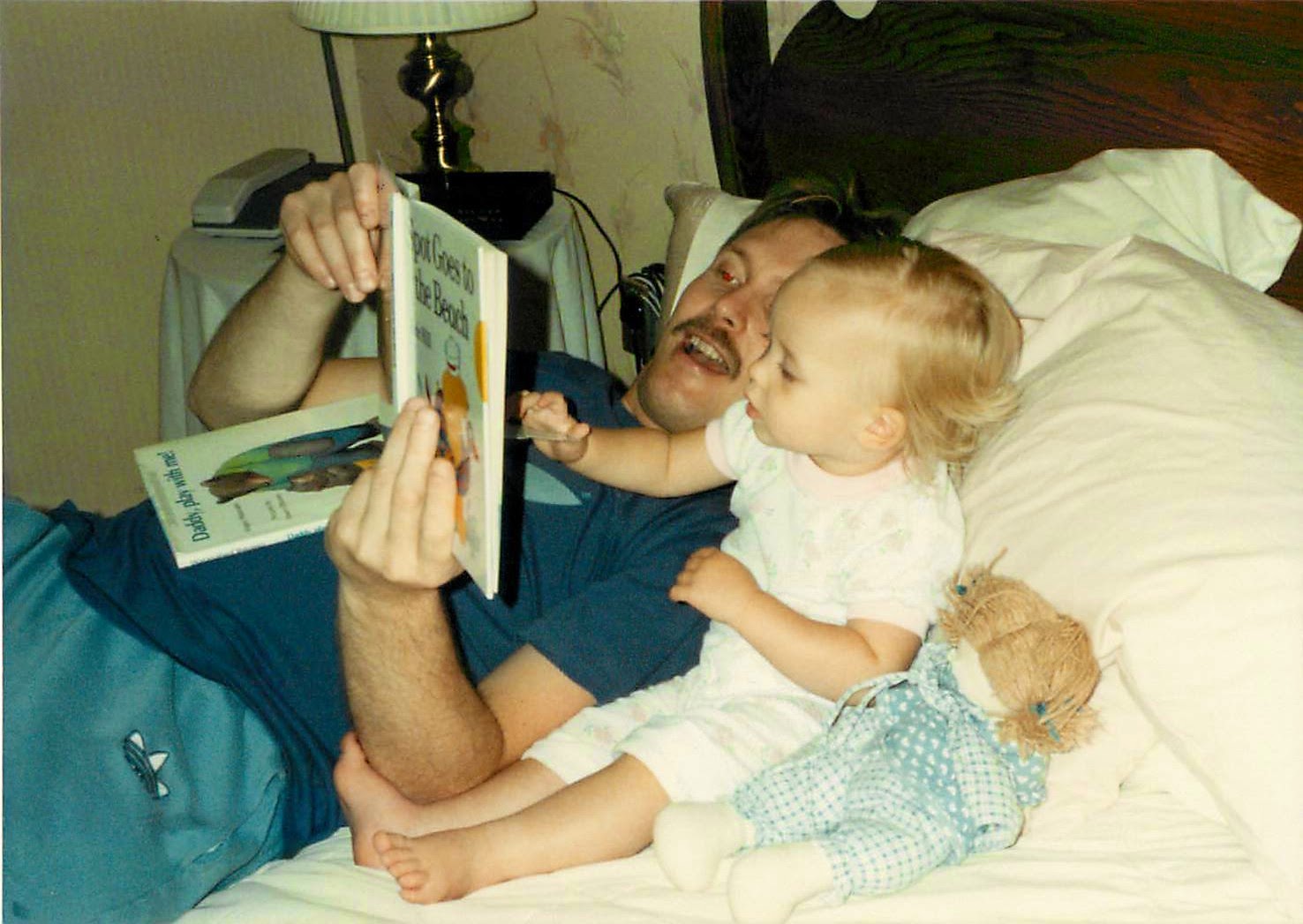
- Unexpected Moments: You anticipate celebrations, special occasions, and remembrance days will bring sorrow, yet nothing readies you for those unexpected instances when grief, frustration, or similar feelings wash over you without warning. These moments strike at the most surprising times, in the most surprising places, and typically with little prompting. When I first arrived in AUS, I was travelling on the tram and suddenly! I found myself crying uncontrollably because I realised I couldn't experience this with my dad. Time does help ease it, though I'm uncertain whether it ever fully vanishes.

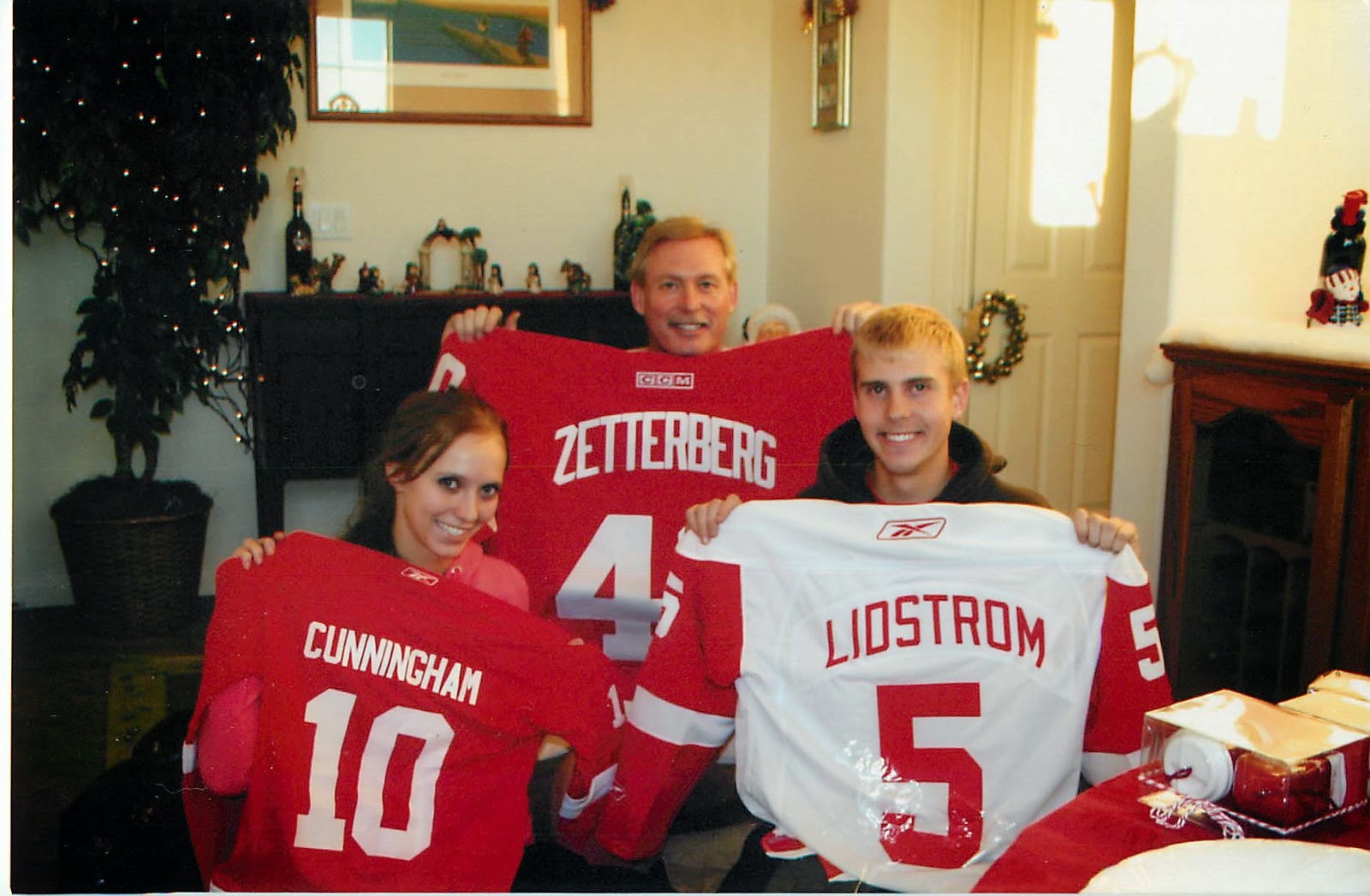
- Dread of Losing Someone: When my father passed away, I developed an intense dread of losing people. This showed up in various ways. Prior to his passing, I was in a romantic partnership that had come to an end. Just as I was preparing to end things, he died. I chose to postpone breaking up until after the new year because I couldn't handle any additional loss (I'd lost my nan and father within 45 days of each other). How strange does that sound? I was content to remain in a relationship I recognised wasn't working simply because I was terrified of losing someone. Over the past 3 years, several comparable circumstances have come up. It's surfaced with mates, university, and everyday occurrences. I still find this challenging at times, but I've made significant progress!
- Loneliness: Following my father's passing, I withdrew significantly. I don't mean that I cut myself off from others, but rather that I became singularly fixated on my own needs. I disregarded how my behaviour might impact those around me as long as it protected my emotional wellbeing. I did this in several instances, though mostly it was simply shutting down completely. Addressing this unhelpful pattern proved quite difficult.
 |
- The Fractured "Support Instinct": This might seem at odds with what I mentioned earlier, but following my father's death, my "support instinct" fractured. I've consistently endeavoured to support those around me. I acknowledge that I'm imperfect and there have been moments I've performed poorly, yet generally speaking, I strive to assist wherever feasible. Once my dad died and I moved past my self-centred phase, I became deeply preoccupied with understanding what others were experiencing emotionally. I frequently invested considerably more energy into situations if I believed it might spare others from future emotional pain. What's the difficulty with this approach? I'm uncertain whether my motivations were genuine. In the handful of instances where this occurred, it actually bred conflict between me and the individuals I'd hoped to protect. I attempted to keep unhealthy relationships alive to preserve other connections; I allocated far more resources to my clients than they reciprocated, and so on. I grew consumed with ensuring no one was in distress. Essentially, when I couldn't address my own challenges, I'd redirect my efforts towards helping another. Was this constructive? It absolutely wasn't! I wasn't processing my own loss. I was essentially sidestepping it temporarily.
- The Absence of Empathy: Those near me are well aware that my father and I both experience familial hemiplegic migraines. These particular migraines essentially replicate stroke-like symptoms alongside all the accompanying migraine effects and get handed down through family genetics. Losing the singular individual who genuinely comprehends what you're going through is profoundly painful. I'm surrounded by people who make efforts to comprehend and relate, yet it's distinct. I observe the apprehension, unease, sympathy, frustration, anxiety, doubt, and so forth in many individuals. It's reassuring to have at least one person who recognises what you're experiencing. That it's genuine and is just as debilitating as Godzilla is a modest reptile.
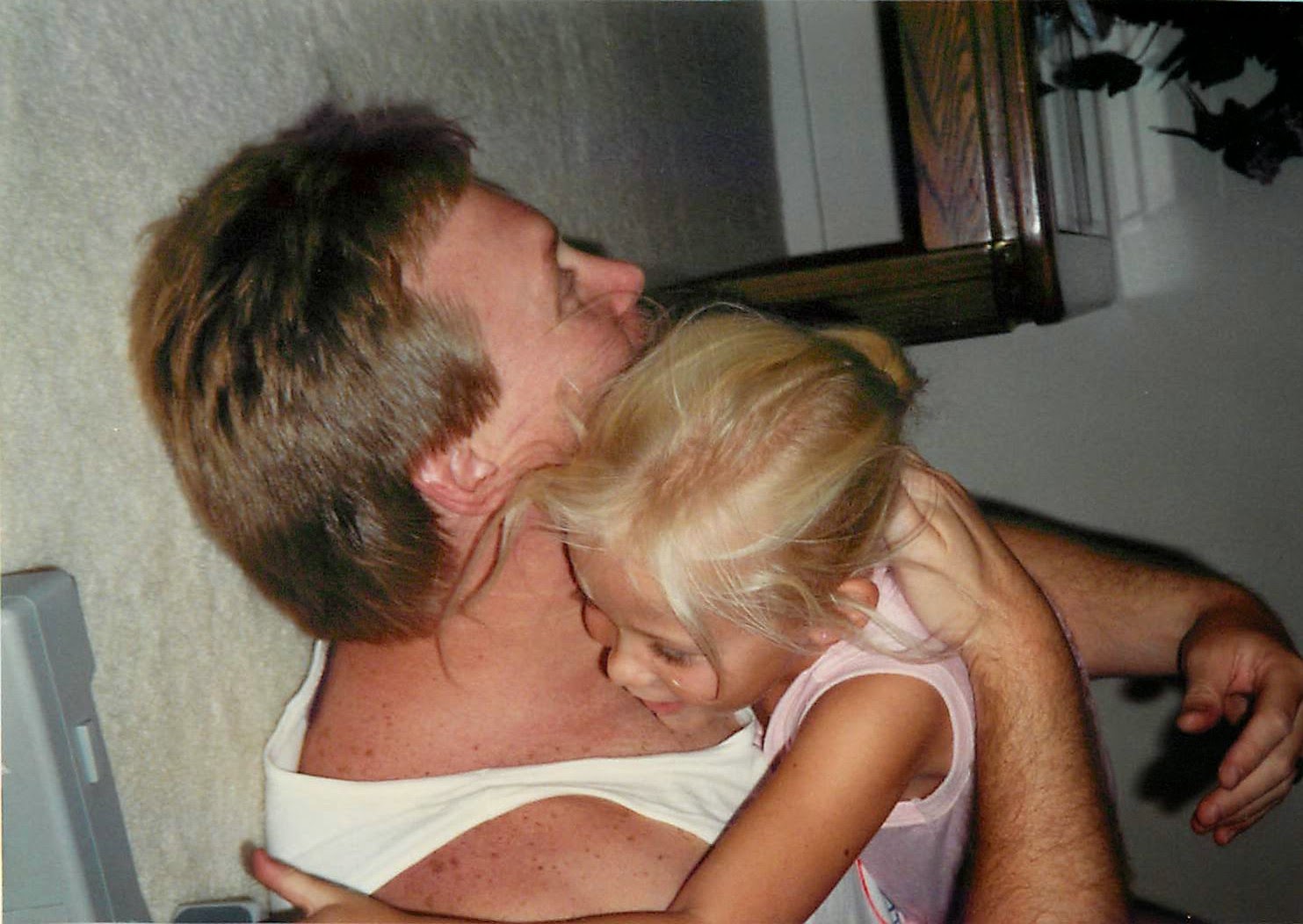
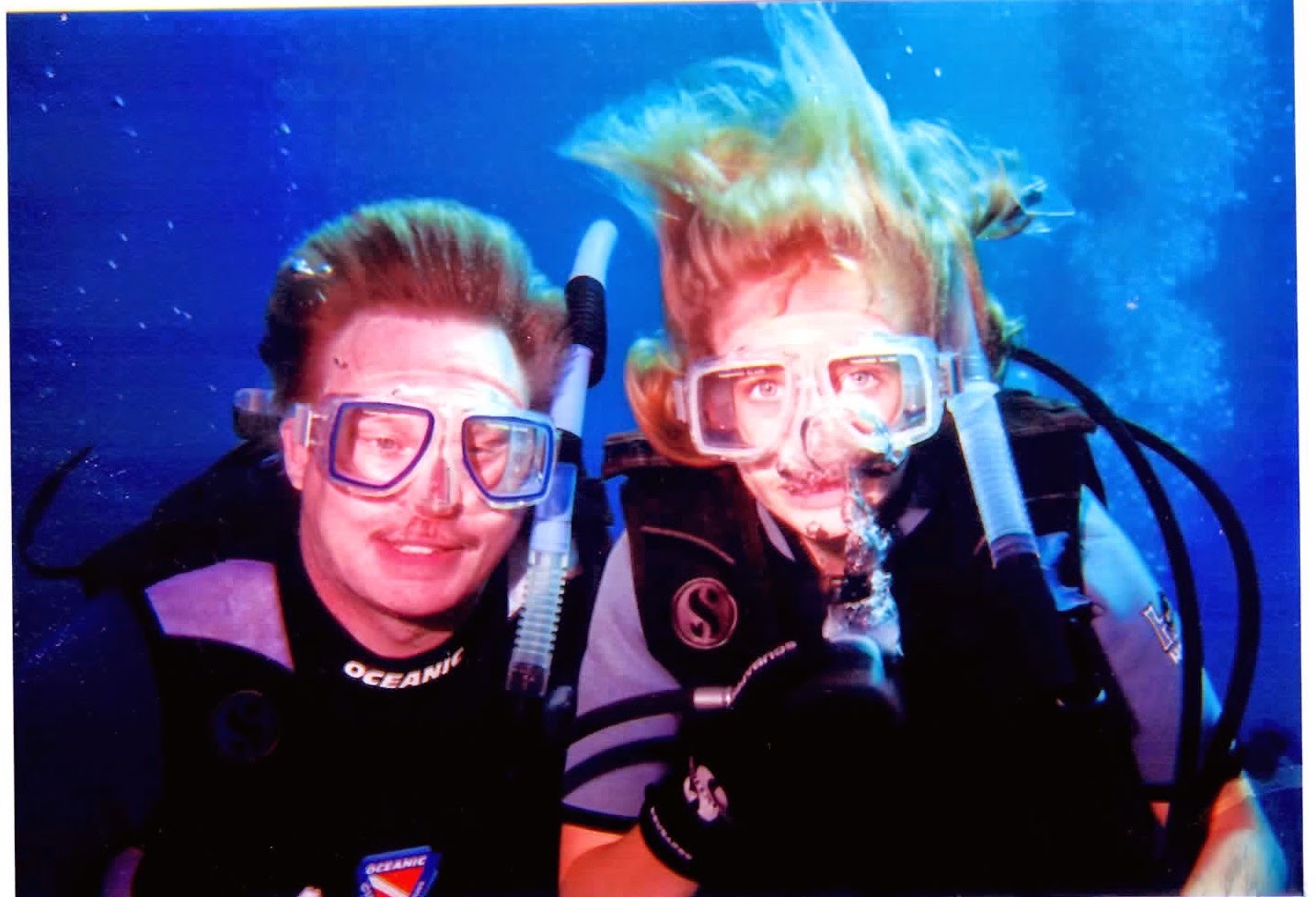
The catalogue might be endless, really. Each day brings something that makes me think "I should ring my dad" or "Gosh I wish he were here to hear about this—he'd get a real kick out of it" or some other reason to get in touch. I sometimes wonder if he'd have been pleased with my choice to settle on the other side of the world. I regularly recall our conversations about diving the Great Barrier Reef and how I genuinely must journey to Cairns to finally make that happen. Despite telling myself repeatedly that death is simply part of life, it still hurts. It always will. I've said goodbye to some truly special people far sooner than I was prepared to. And it's simply not right. Not remotely. One of my few consoling beliefs is that the people we cherish remain with us always. Though it may sound trite, I've experienced too much that proves it true, and that brings me comfort.