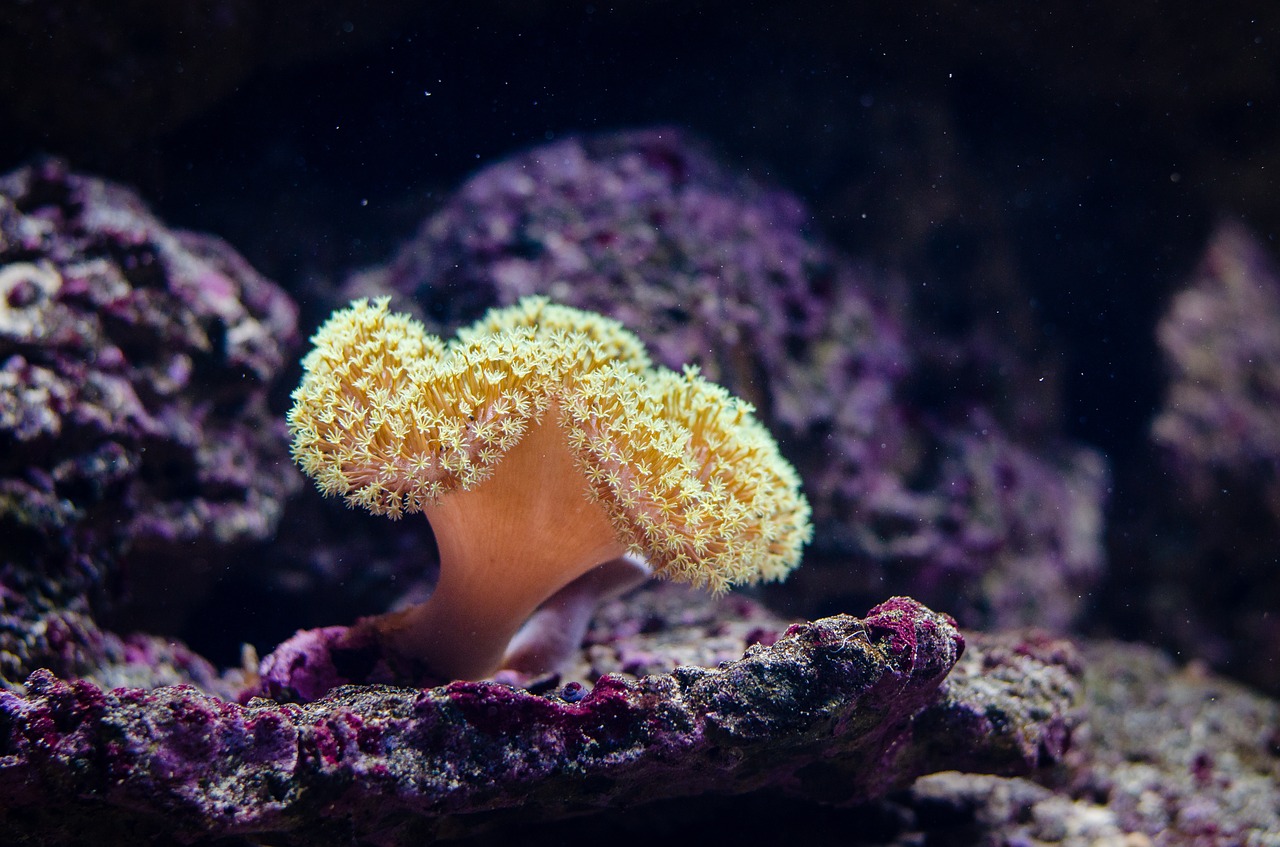
The Great Barrier Reef
Recognised as one of seven natural wonders on earth, this reef contains more than 400 varieties of coral and approximately 1,500 fish species. Comprising roughly 2,900 distinct reefs, it stretches for 2,300 km. As the planet's largest living structure and the sole living organism visible from space, it's truly unique. You can explore via reef tours in glass bottom boats, snorkelling, diving, sailing or aerial views. A visit to the Great Barrier Reef is an unforgettable adventure.
Uluru
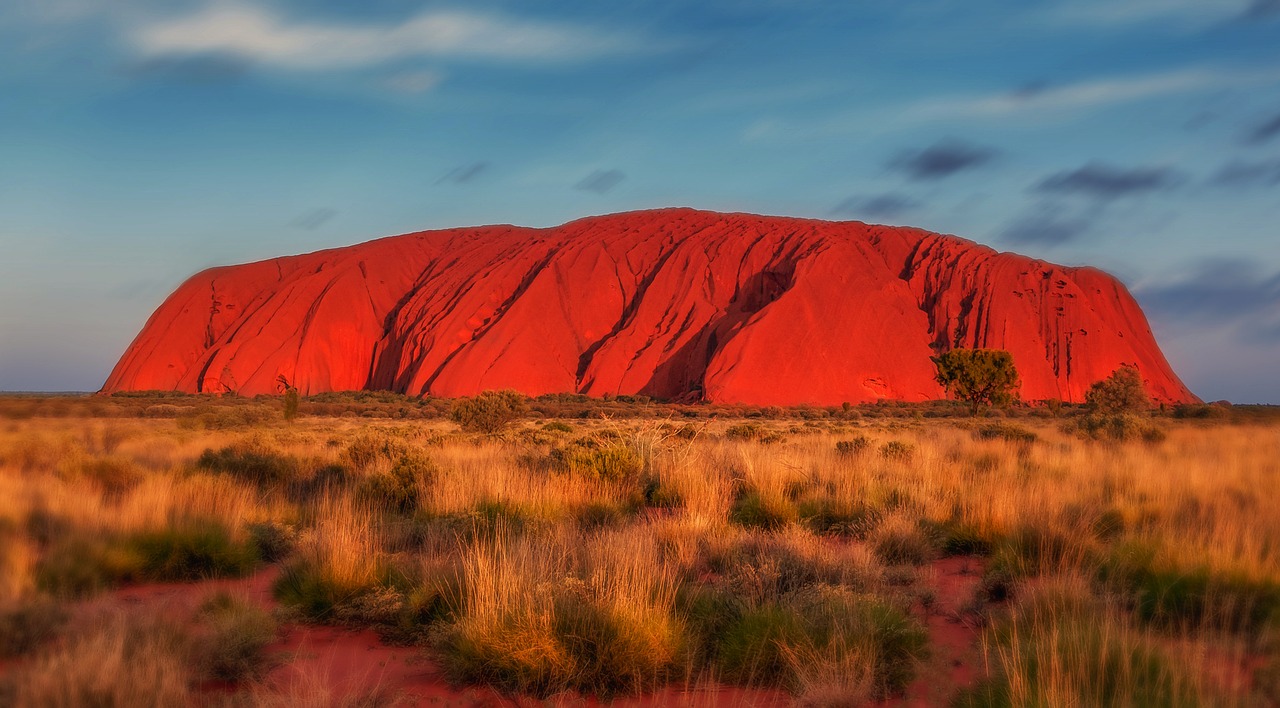
Previously known as Ayers Rock, Uluru sits in the centre of the outback. Uluru is its Aboriginal name and remains its official designation today. This massive sandstone formation towers above the Eiffel Tower at 348 metres, spans 3.65 km in length and 1.9 km wide. It holds sacred significance for Aboriginal Australians and is estimated to be approximately 700 million years old.
Ascending the rock isn't prohibited by law, yet Aboriginal peoples regard it as disrespectful to their heritage and the activity is discouraged. Most guests honour this perspective, and only a small number attempt the ascent.
Fraser Island
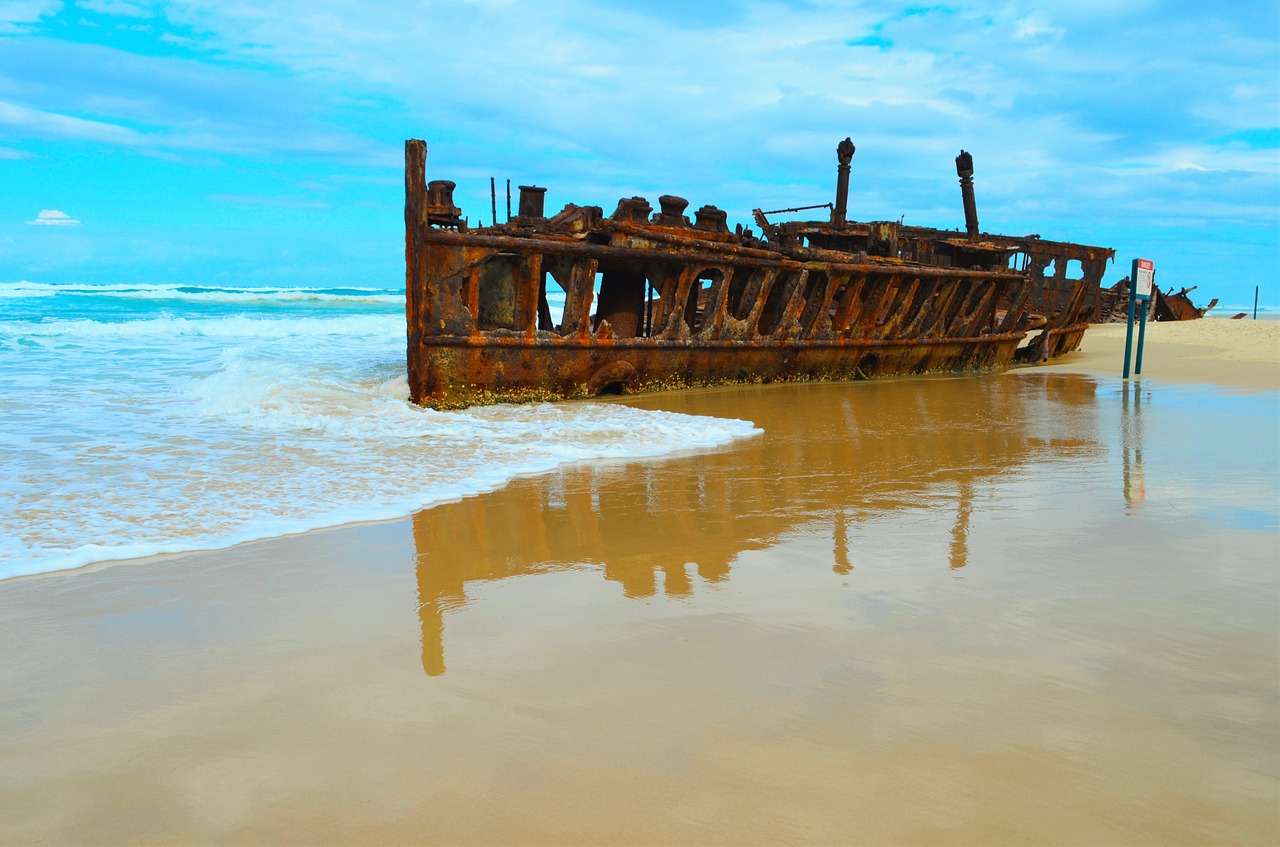
Over 800,000 years ago, Fraser Island emerged when Australia was still connected to Antarctica. The world's largest sand island, it extends 123 km in length and 23 km in width. Recognised as a World Heritage Site due to its dynamic nature and continuous transformation, it offers an excellent destination for those who enjoy camping, beach fishing, inland lakes, rainforest exploration or 4-wheel drive expeditions. You may also encounter migrating humpback whales along its shores.
Over 800,000 years ago, Fraser Island emerged when Australia was still connected to Antarctica. The world's largest sand island, it extends 123 km in length and 23 km in width. Recognised as a World Heritage Site due to its dynamic nature and continuous transformation, it offers an excellent destination for those who enjoy camping, beach fishing, inland lakes, rainforest exploration or 4-wheel drive expeditions. You may also encounter migrating humpback whales along its shores.
Kata Tjuta
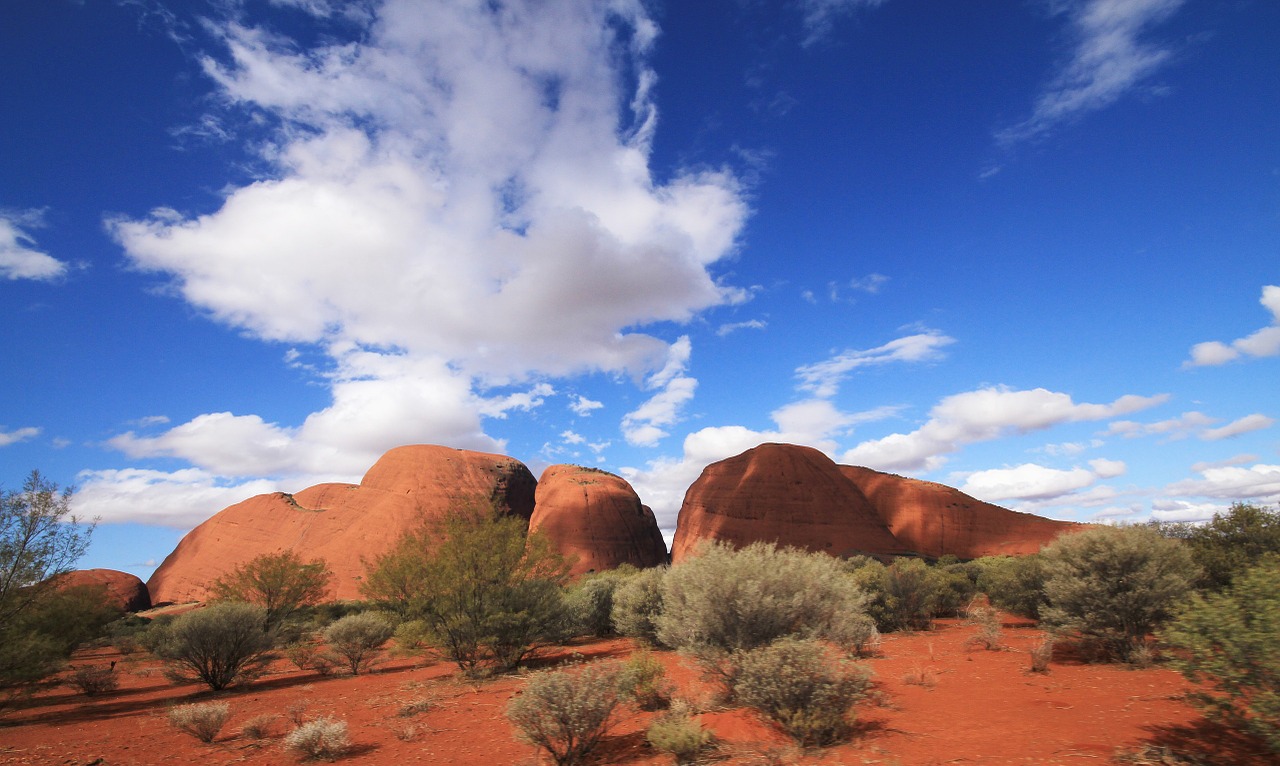
This geological marvel sits approximately 50 km from Uluru. It's believed to have formed during the same period. Yet it covers a considerably larger area than Uluru, featuring 36 distinct domes across roughly 20 km. The tallest dome reaches 546 metres in height. Its Aboriginal designation translates to 'many heads'. The finest viewing opportunity arrives at dawn or dusk, with guided tours available through sections of the site.
This geological marvel sits approximately 50 km from Uluru. It's believed to have formed during the same period. Yet it covers a considerably larger area than Uluru, featuring 36 distinct domes across roughly 20 km. The tallest dome reaches 546 metres in height. Its Aboriginal designation translates to 'many heads'. The finest viewing opportunity arrives at dawn or dusk, with guided tours available through sections of the site.
Gordon River
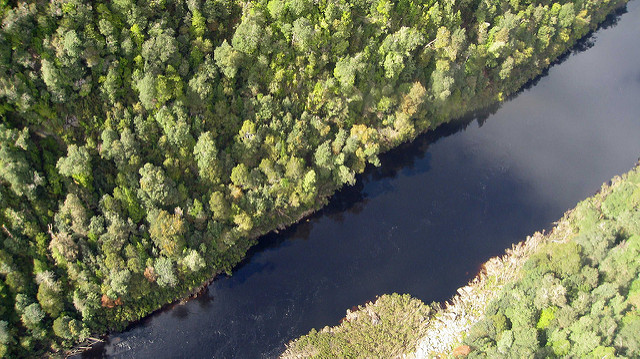
Before reaching Macquarie Harbour, the river remains untouched for its complete 200 km stretch. A boat journey down these tranquil waters reveals ancient, verdant rainforest lining both banks. Recognised as a World Heritage site, the surrounding region comprises the Gordon-Franklin Wild Rivers National Park.
Before reaching Macquarie Harbour, the river remains untouched for its complete 200 km stretch. A boat journey down these tranquil waters reveals ancient, verdant rainforest lining both banks. Recognised as a World Heritage site, the surrounding region comprises the Gordon-Franklin Wild Rivers National Park.
Australia boasts an incredible wealth of attractions for those passionate about the natural world, with far more to discover than what we've covered above. It's undoubtedly a haven for nature enthusiasts, and the sheer volume of wonders means you'd struggle to experience them all within a single lifetime.
Nature enthusiasts will find Australia absolutely captivating.
Have you travelled to any of the locations mentioned above? Which destination would you most enjoy seeing? Leave your comments in the section below!
And until next time...
Stay curious!